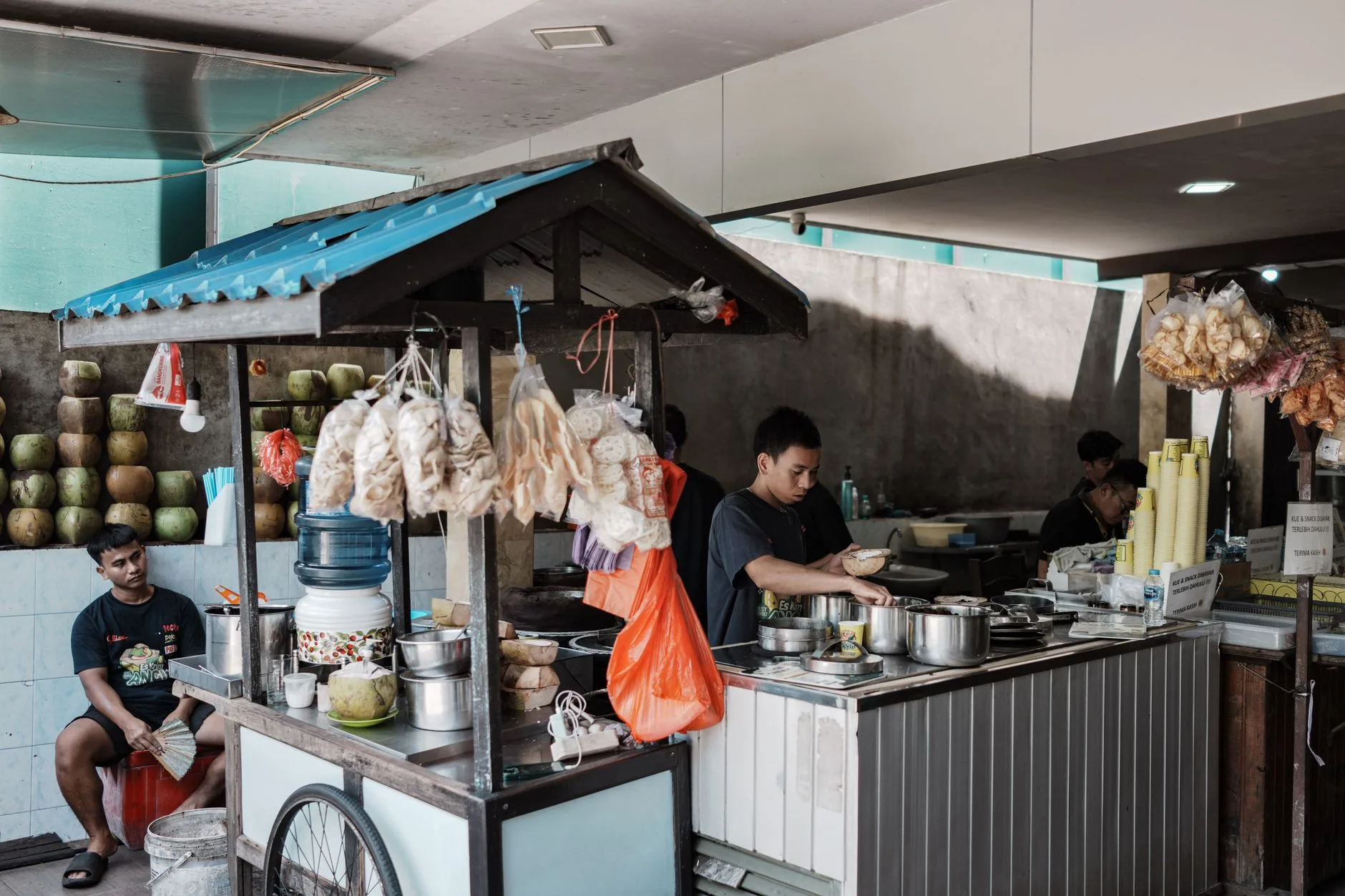
MSEs and Halal Certification: The Question of Commitment and Systems
The halal certification obligation requires MSEs to build a system, not merely complete documents. Commitment and monitoring are the most fragile points.
The halal certification mandate affects MSMEs. Their challenges are distinct: ingredient traces are unrecorded, supplier documents are incomplete, and administrative capacity is limited.
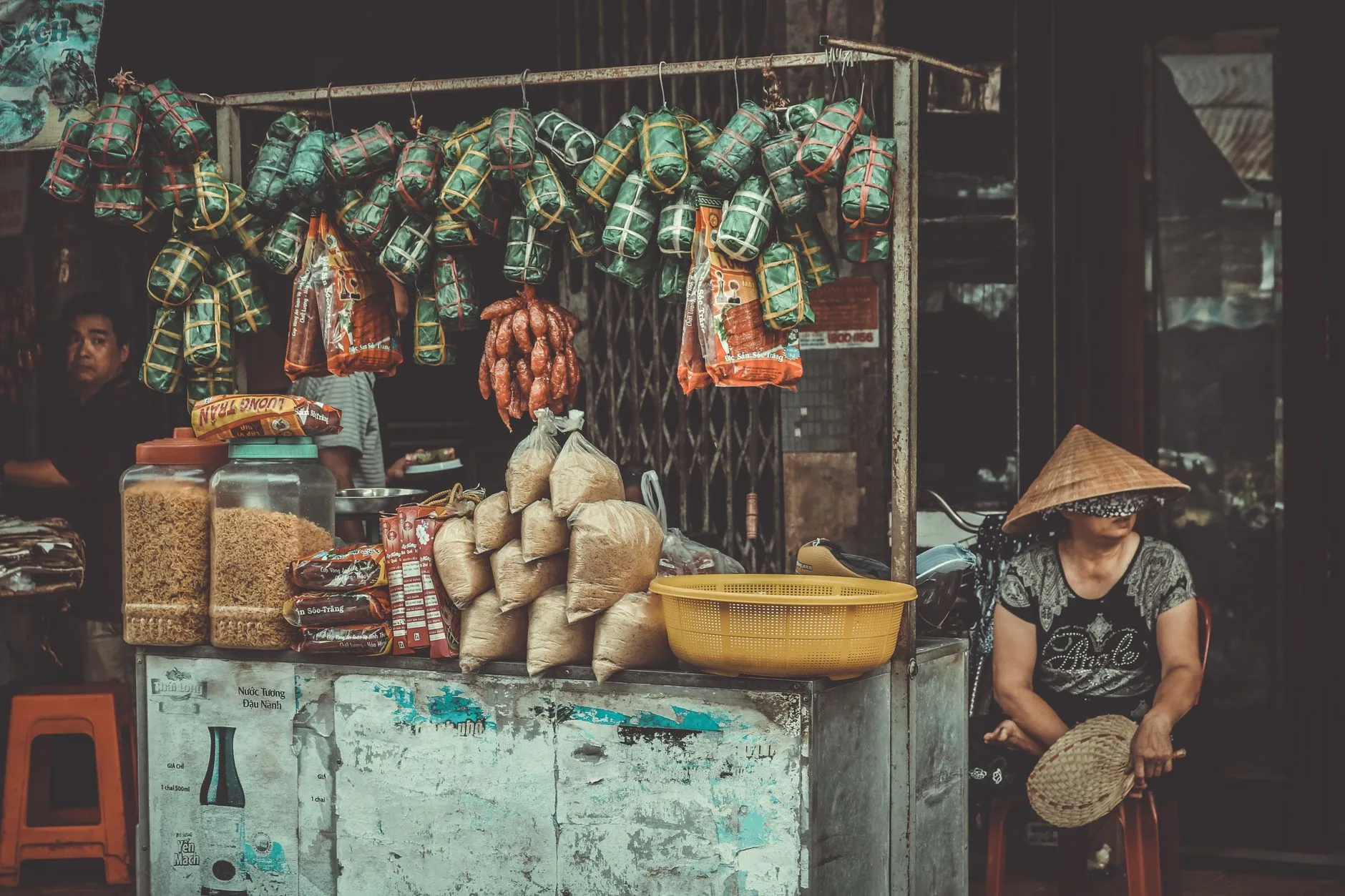
The halal certification mandate applies to products entering Indonesia and traded. MSMEs are not exempt. However, the burden faced by MSMEs differs from that of large factories. The issue is not merely cost, but the way small businesses operate.
MSMEs often buy ingredients from markets, baking supply stores, or small suppliers without documentation. Ingredient names on packaging are often generic. Some generic ingredients have critical points not visible from their names.
The problem is not the ingredient itself, but the uncertainty of its origin. Without supplier information, MSMEs cannot demonstrate the origin of ingredients. Yet inspection demands evidence, not assumptions.
MSME supply chains are typically short and informal. Purchases are made verbally. Receipts are rarely kept. When asked about ingredient origins, MSMEs must trace back to suppliers who may also be small businesses.
An available alternative is to switch to ingredients that are already halal-certified. For glycerin, certified plant-based glycerin is available, generally from palm or coconut oil. For gelatin, fish gelatin, halal-certified beef gelatin, or agar and carrageenan as plant-based substitutes are available. For stearic acid and magnesium stearate, certified plant-based versions are available. For L-Cysteine, microbial fermentation results that have been certified, or plant-based dough softener enzymes, are available.
The consequence is clear: ingredient costs may rise, and alternative suppliers may not necessarily be available near the business location.
Certification processing requires documents: ingredient lists, production flows, and other supporting evidence. For businesses run by their owners, time to prepare documents directly competes with production and sales time.
Law 33/2014 regulates the halal certification mandate, the establishment of BPJPH, the role of Halal Inspection Agencies (LPH), and MUI's authority in determining product halalness. Law 6/2023 simplifies the process and introduces a halal statement scheme for MSMEs, and opens the way for the Halal Product Fatwa Committee. This simplification helps, but does not eliminate the need for orderly ingredient recording.
Inspection is carried out by Halal Inspection Agencies (LPH). LPH accreditation refers to SNI ISO/IEC 17065:2012, which regulates impartiality, confidentiality, personnel competence, complaint and appeal management, and accountability. This means LPH is bound by consistent procedures.
PP 42/2024 regulates the procedures for establishment, accreditation, scope of activities, and revocation of LPH approval, as well as the appointment and dismissal of Halal Auditors. For MSMEs, the practical consequence is that inspections proceed according to standards, making document readiness the determining factor.
Not all problems can be solved on their own. However, some things are within MSME control.
These steps are simple, but decisive when inspection takes place. The determination of halalness is the authority of the MUI Fatwa Commission or the Halal Product Fatwa Committee, and certificates are only issued by BPJPH. Therefore, the business operator's task is to prepare evidence as well as possible, not to assess the halal status of their own product.
MSME challenges in halal certification are structural: informal supply chains, incomplete documents, and limited administrative capacity. The solution is gradual, starting with orderly ingredient recording. To organize ingredient registries, mark critical points, and prepare BPJPH certification readiness in one place, IndoHalal.id provides SJPH, a Halal Product Assurance System platform that helps MSMEs organize SJPH criteria gradually.
The halal certification obligation requires MSEs to build a system, not merely complete documents. Commitment and monitoring are the most fragile points.
The halal certification requirement is already regulated. For UMK, the obstacle that most often arises is actually simple: ingredient documents from suppliers that are hard to trace.
The halal certification requirement obliges UMK (micro and small enterprises) to prepare ingredients, documents, and personnel. The halal declaration scheme helps, but does not remove all burdens.
The first consultation costs nothing. Median reply under 15 minutes during business hours.
Ask certified halal consultants and auditors directly.
Jawaban konsultan bersifat panduan teknis. Penetapan kehalalan produk adalah kewenangan Komisi Fatwa MUI atau Komite Fatwa Produk Halal, dan sertifikat halal hanya diterbitkan oleh BPJPH.