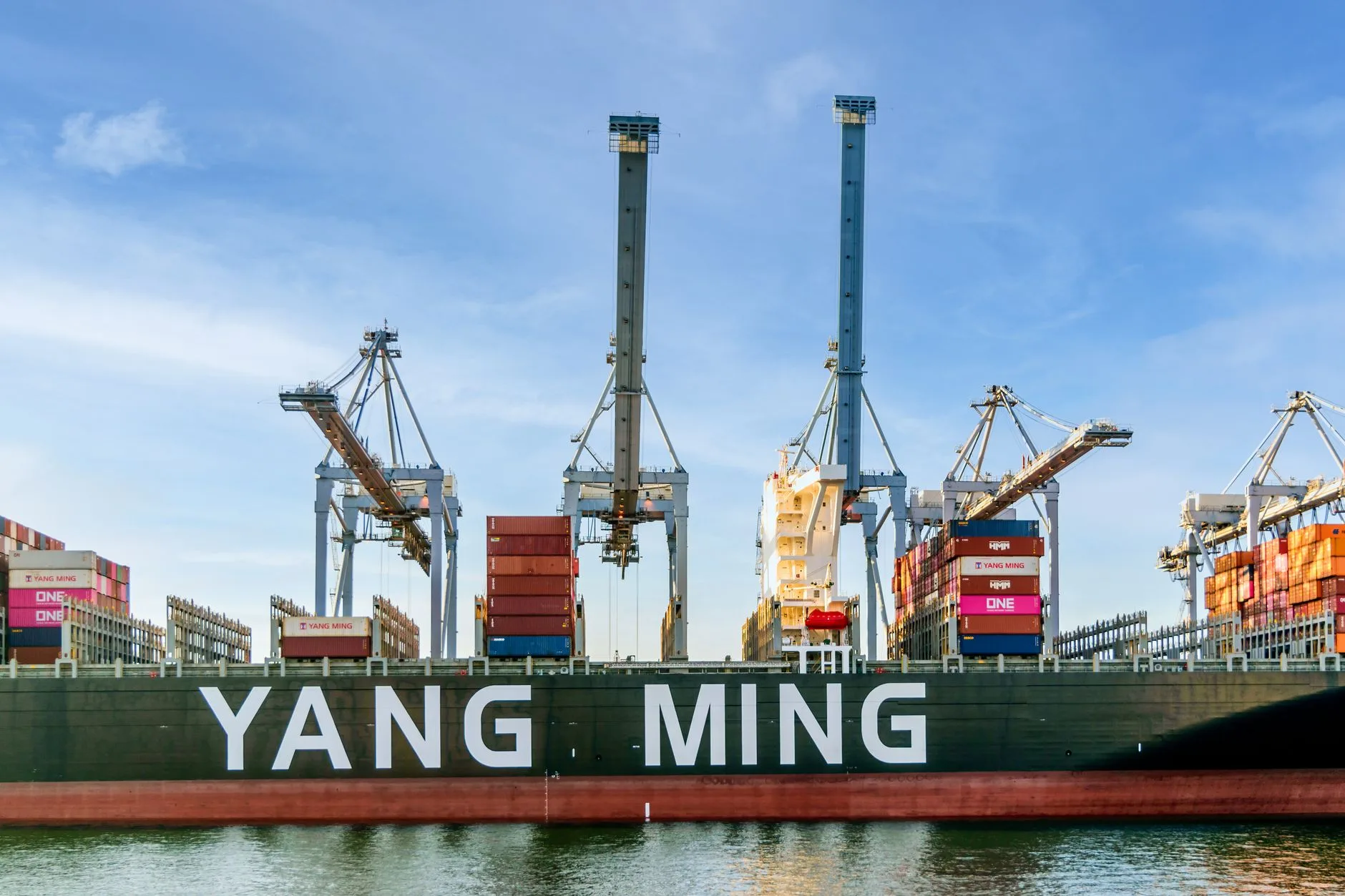
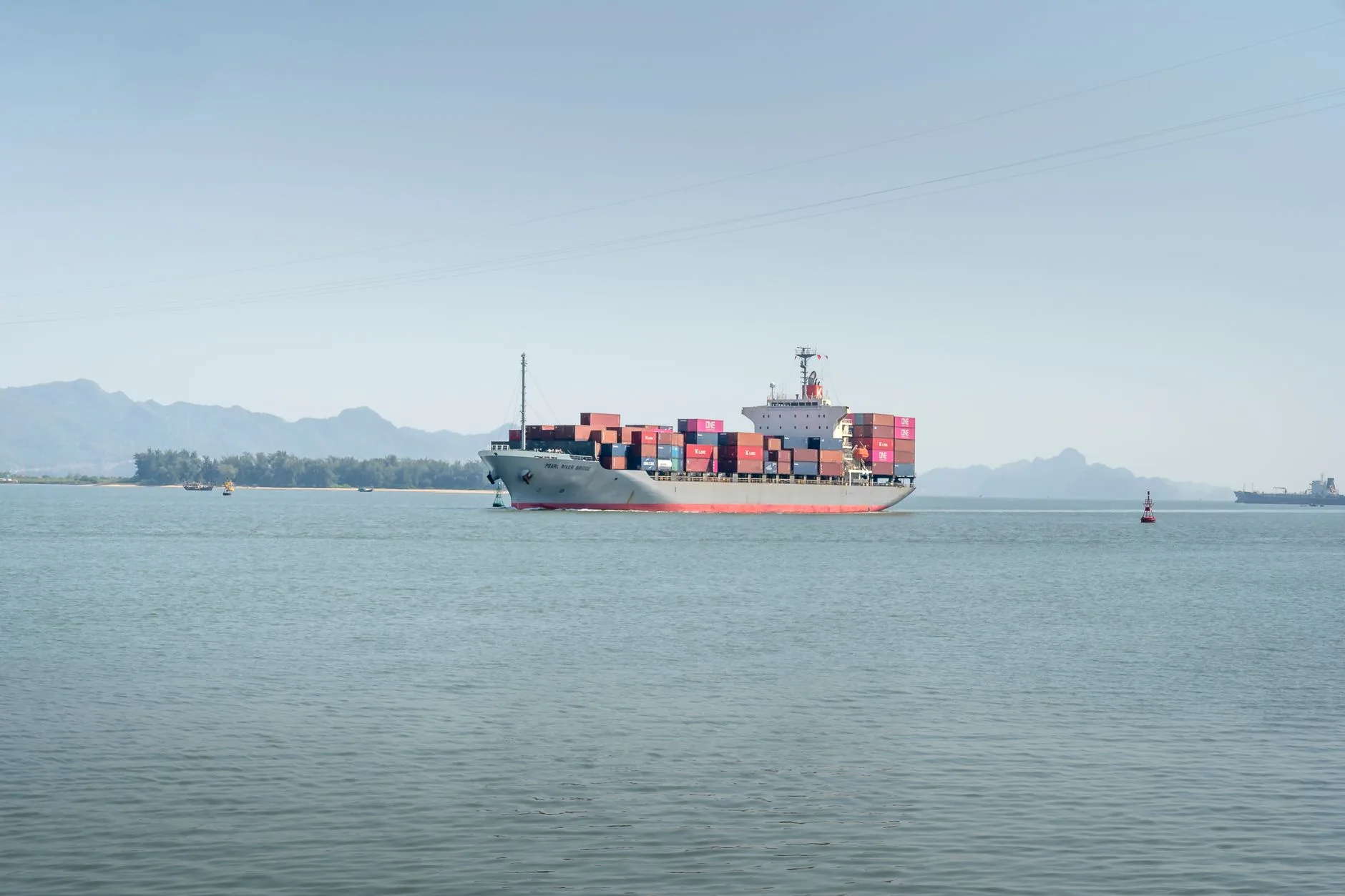
A halal certificate is often seen as the finish line. For exporting industries, the certificate is in fact the starting point. Once production volume rises and suppliers change, what is tested is no longer the paperwork, but the resilience of the ingredient supply chain. Critical points that passed during the audit can reopen when the same ingredient comes from a different source.
Why the supply chain is a vulnerable point
Law Number 33 of 2014 on Halal Product Assurance governs the obligation for halal certification, the establishment of BPJPH (the Halal Product Assurance Agency), the role of LPH (Halal Inspection Agencies), and MUI's authority in determining product halalness. For businesses, the implementation reference is the Head of BPJPH Decision Number 57 of 2021 on the Criteria for the Halal Product Assurance System (SJPH), which contains five criteria: commitment and responsibility, ingredients, halal product processes, products, and monitoring and evaluation.
The ingredient criterion and the monitoring criterion are the two most keenly felt as production scale grows. The same ingredient can have a different status depending on its source. Without continuous monitoring, a change of supplier can change an ingredient's status without it showing in old documents.
Critical points that persist along the chain
Some ingredients are classified as vulnerable because their source determines their status. Not because the ingredient itself is problematic, but because its origin can vary.
- L-Cysteine (E920). A dough conditioner for bread; historically extracted from human hair or poultry feathers. Alternatives are microbially fermented L-Cysteine that has been certified, or plant-based dough conditioning enzymes. This ingredient is common in mass-produced white bread, burger buns, and commercial pizza dough.
- Isinglass. A clarifying agent from fish swim bladders, commonly used in beer and wine. For non-alcoholic beverage products, plant-based clarifiers such as bentonite or carrageenan can be an option.
- Collagen. A structural protein from animal skin or bone; its source determines halalness, just like gelatin. Alternatives are fish collagen or halal-certified beef collagen. This ingredient is common in beauty supplements, collagen drinks, and skincare products.
- Vitamin D3 from lanolin. Commercial Vitamin D3 is often extracted from lanolin, i.e. sheep wool fat, not from slaughtered animals. Alternatives are Vitamin D3 from halal-certified lanolin, or mushroom- and yeast-based Vitamin D2. This ingredient appears in fortified milk, multivitamin supplements, and infant formula.
These four examples show the same pattern: an ingredient's status depends on its origin and process. Therefore, a tidy ingredient registry is not a formality, but a working tool.
From certificate to a system that lasts
For export markets, certificate documents are indeed required. However, what keeps the certificate valid is the system behind it. The Head of BPJPH Decision Number 57 of 2021 places monitoring and evaluation as one of the criteria, not a supplement. This means businesses are required to monitor periodically, not just once at the time of application.
In practice, there are several things that need to be maintained as the supply chain lengthens:
- Records of ingredient origin for each supplier, not just per type of ingredient.
- An approval procedure when there is a substitute ingredient or a new supplier.
- Clear separation when production lines handle ingredients with different statuses.
- Periodic internal audits to test whether procedures are actually carried out.
Government Regulation Number 42 of 2024 on the Implementation of Halal Product Assurance governs the procedures for establishment, accreditation, scope of activities, and revocation of approval of Halal Inspection Agencies, as well as the appointment and dismissal of Halal Auditors. For industry, these provisions are relevant because field inspections are carried out by agencies and auditors whose competence is regulated.
What needs to be understood about authority
It should be emphasized: the determination of halalness is the authority of the MUI Fatwa Commission or the Halal Product Fatwa Committee, and certificates are only issued by BPJPH. This article does not declare any product halal or haram. What is discussed is system readiness, not product status.
The Head of BPJPH Decision Number 243 of 2025 on Service Standards at BPJPH sets out 27 types of BPJPH services complete with requirements, timeframes, and tariffs, including LPH accreditation, registration of LP3H and PPH Assistants, and issuance of halal certificates. For exporting industries, this clarity of services helps plan time and costs, but does not replace internal readiness.
Resilience as a measure
The question worth asking oneself is not only "is this ingredient certified", but "do I know where this ingredient comes from, and will I know if its source changes". A resilient supply chain is one that can answer that question at any time, including during an inspection.
To keep that answer available, IndoHalal.id provides an SJPH platform that helps manage SJPH criteria in a single application, from halal policy, ingredient registry, critical points, internal audits, to BPJPH certification readiness.