MSEs and Halal Certification: The Question of Commitment and Systems
The halal certification obligation requires MSEs to build a system, not merely complete documents. Commitment and monitoring are the most fragile points.
The halal certification obligation applies to all business actors, but micro and small enterprises (UMK) face distinctive challenges: from limited documentation to critical ingredients.
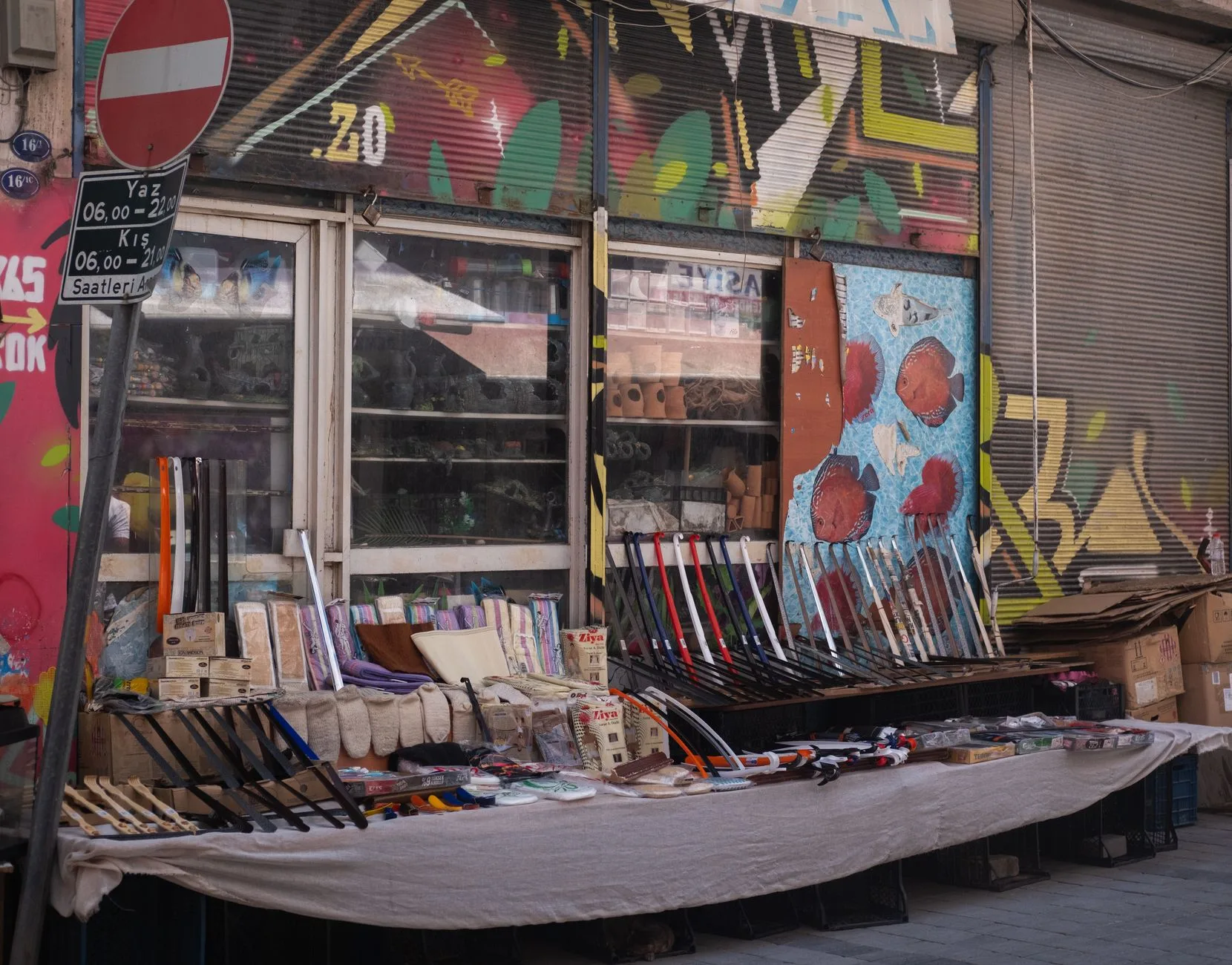
The halal certification obligation does not only target large industries. Micro and small enterprises (UMK) are also within the scope of Law 33/2014 on Halal Product Assurance, which has been amended through Law 6/2023. However, the path that UMK must take is not the same as that of large industries. There are distinctive challenges that arise when the scale of a small business confronts a series of certification requirements.
Law 33/2014 regulates the halal certification obligation, the establishment of BPJPH (Halal Product Assurance Agency), the role of the Halal Inspection Agency (LPH), and the authority of MUI (Indonesian Ulema Council) in determining product halalness. Law 6/2023 as the latest amendment simplifies the certification process and introduces a halal declaration scheme (self-declare) for UMK.
That simplification is important. But simplifying the process does not automatically eliminate problems on the ground. UMK must still meet a number of requirements, and it is precisely at this point that their limitations become visible.
The first challenge is administrative. UMK often do not have orderly records of raw materials. Purchases are made verbally, from changing suppliers, without saved receipts. When asked to trace the origin of ingredients, business actors have no reference they can show.
This problem is not about willingness, but about habit and time. Small business owners usually double as workers, cashiers, and purchasing staff. Administration is often done haphazardly.
The second challenge concerns ingredients. Some ingredients commonly used by UMK fall into the critical category, meaning ingredients whose halal status depends on their source.
These ingredients appear in products familiar to UMK: cookies, donuts, instant noodles, cheese, syrup, and supplements. Tracing their origin requires documents from suppliers. Many UMK buy these ingredients in bulk or without clear branding, making source documents difficult to obtain.
Law 33/2014 positions LPH as the agency that inspects products. PP 42/2024 regulates the procedures for establishment, accreditation, scope of activities, and revocation of LPH approval, as well as the appointment and dismissal of Halal Auditors. Kepka BPJPH 78/2025 complements this with LPH accreditation guidelines, including requirements, Pratama and Utama qualifications, scope of competence, costs, application flow, surveillance, and witness assessment, with reference to SNI ISO/IEC 17065:2012.
For UMK, the existence of accredited LPH is important because that is where products are inspected. However, this chain also means there are stages and costs that must be understood from the start. UMK need to know what is inspected, what documents are requested, and how the flow works, so they do not get stuck along the way.
One thing that is often misunderstood: a halal certificate is not proof that can be arranged just like that. The determination of halalness is the authority of the MUI Fatwa Commission or the Halal Product Fatwa Committee. The certificate is only issued by BPJPH. This means no party can guarantee approval, and no product can be definitively called halal or haram outside that determination forum.
The challenges of UMK in halal certification generally stem from readiness, not intention. There are three things that can be prepared in advance.
The halal declaration scheme for low-risk UMK does open a more concise path. But this route still demands understanding of ingredients and administrative order. Without that, simplifying the process does not help much.
To organize ingredient registries, map critical points, and prepare documents before registering, UMK can use the SJPH platform from IndoHalal.id which manages all SJPH criteria in one application.
The halal certification obligation requires MSEs to build a system, not merely complete documents. Commitment and monitoring are the most fragile points.
The halal certification requirement is already regulated. For UMK, the obstacle that most often arises is actually simple: ingredient documents from suppliers that are hard to trace.
The halal certification requirement obliges UMK (micro and small enterprises) to prepare ingredients, documents, and personnel. The halal declaration scheme helps, but does not remove all burdens.
The first consultation costs nothing. Median reply under 15 minutes during business hours.
Ask certified halal consultants and auditors directly.
Jawaban konsultan bersifat panduan teknis. Penetapan kehalalan produk adalah kewenangan Komisi Fatwa MUI atau Komite Fatwa Produk Halal, dan sertifikat halal hanya diterbitkan oleh BPJPH.