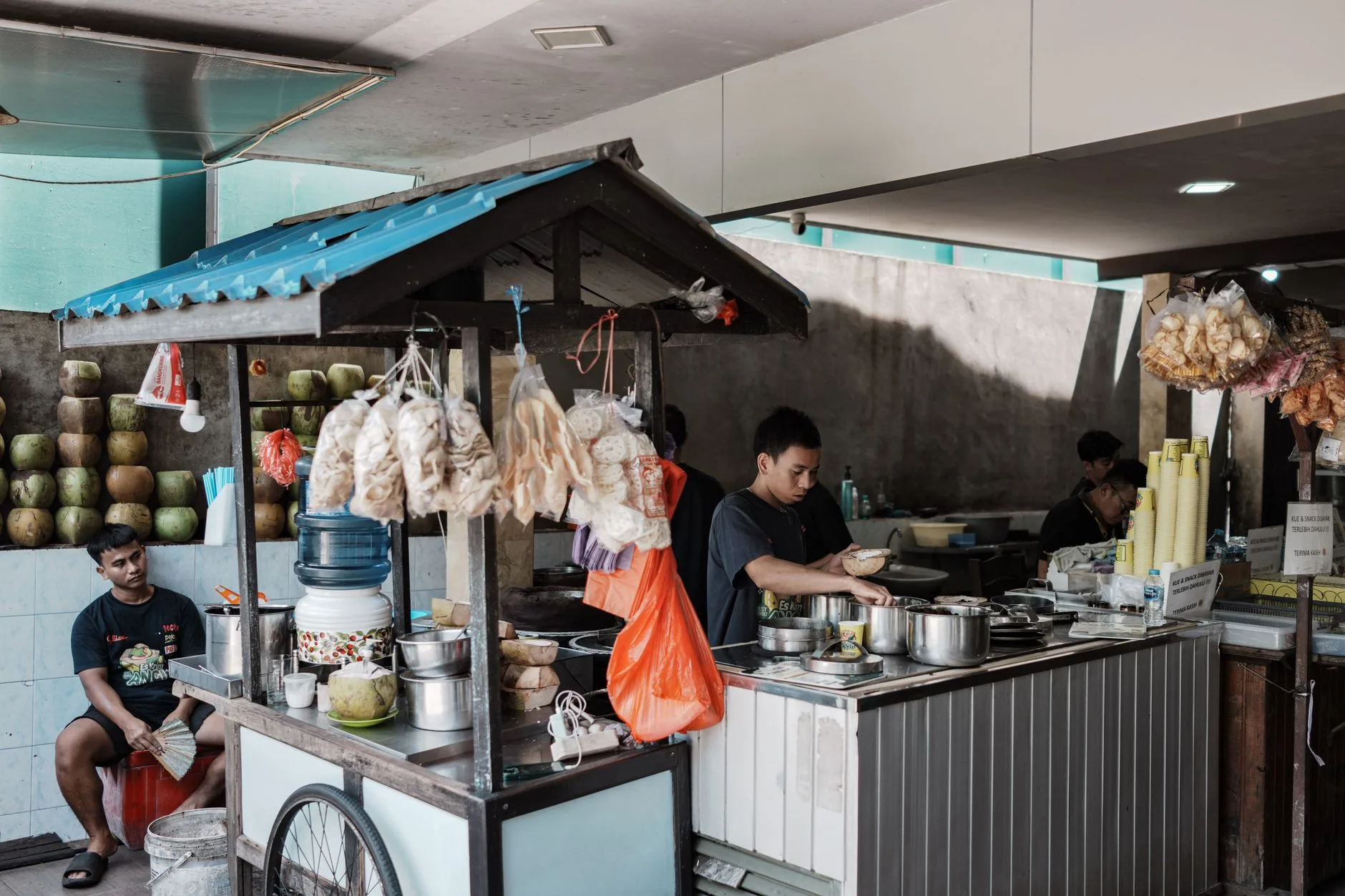
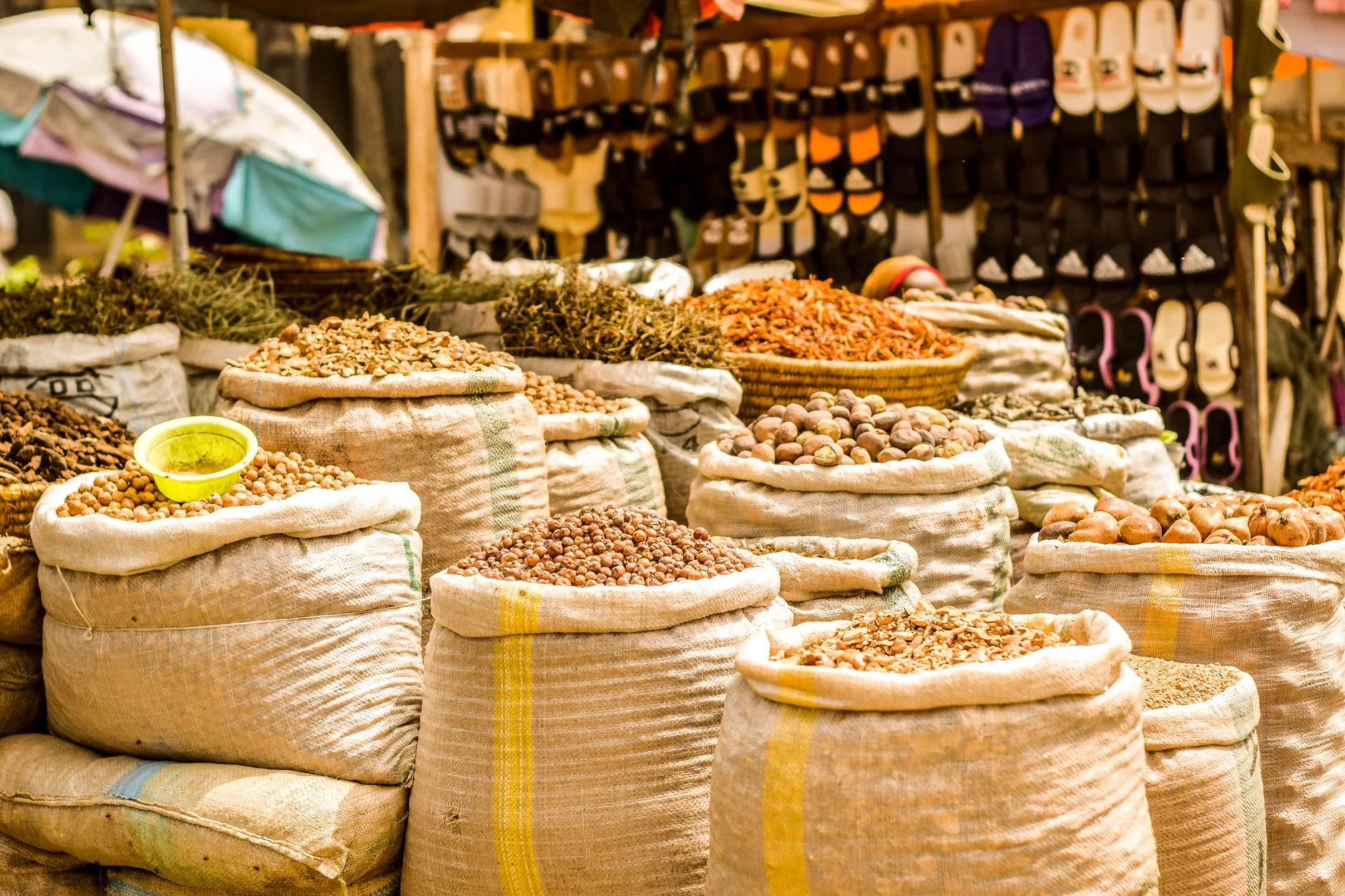
For micro and small business operators, the halal certification obligation often feels burdensome. Not because they do not want to, but because the materials used every day do not always have a clear origin. This article discusses the issue of critical material points as one of the typical obstacles for MSMEs (UMK).
Why Materials Are a Typical MSME Problem
MSMEs usually buy materials in small quantities from local suppliers. Information about the origin of materials, especially those derived from animals or fermentation processes, is rarely available in full. As a result, business operators find it difficult to ensure whether these materials meet the criteria of the halal product assurance system.
The Decree of the Head of BPJPH (Halal Product Assurance Agency) Number 57 of 2021 on the Criteria for the Halal Product Assurance System places materials as one of five criteria. This means MSMEs need to have records of the materials used, not merely personal belief.
Three Critical Points Often Encountered
1. Hidden animal-derived materials
Some animal-derived materials are used in small quantities but play an important role. Examples include isinglass, a clarifying agent from fish swim bladders commonly used in beverages. There is also pepsin, an enzyme from animal stomachs used in the cheese and pharmaceutical industries. The halal status of these materials depends on their source. MSMEs using such materials need to trace their origin, rather than assuming they are automatically halal or automatically haram.
2. Chemical additive materials
Stearic acid and magnesium stearate (E470, E572) are examples of anti-caking materials in tablets, instant drink powders, and cosmetics. These materials can come from palm oil or animal fat. Without supplier information, MSMEs cannot confirm the source. Certified halal plant-based alternatives are actually available, but are not always easily accessible at small scale.
3. Fermentation materials
Yeast is generally halal, but its growth medium needs to be checked. MSMEs producing bread or other fermented products rarely ask suppliers about this. In fact, the material criteria in Kepka 57/2021 require clarity.
Impact on the Certification Process
Law Number 33 of 2014 on Halal Product Assurance regulates the halal certification obligation, the establishment of BPJPH, the role of the Halal Inspection Agency (LPH), and MUI's authority in determining product halalness. In practice, MSMEs without material records will face difficulties when preparing halal product assurance system documents. Halal inspectors require evidence, not verbal statements.
This problem is compounded by limited time and energy. Business owners often double as production, marketing, and administration. Tracing materials one by one can feel troublesome. However, without tracing, the certification process risks delay.
Simple Steps That Can Be Started
- Record all materials used, including additive materials in small quantities.
- Separate materials of animal origin, fermentation products, and chemical additive materials.
- Request written information from suppliers about the origin of materials.
- For unclear materials, look for plant-based or halal-certified alternatives.
- Keep these records as part of the halal product assurance system documents.
These steps do not require large costs, but demand diligence. For MSMEs, the benefit is not only for certification, but also for the orderliness of daily production.
The Role of Assistance
The Decree of the Head of BPJPH Number 243 of 2025 on Service Standards at BPJPH regulates various services, including registration of halal product process assistants. The presence of assistants can help MSMEs understand the criteria and prepare documents. However, assistants do not replace the business operator's responsibility to know the materials used.
The determination of product halalness is the authority of the MUI Fatwa Commission or the Halal Product Fatwa Committee. Halal certificates are only issued by BPJPH. Therefore, this article does not declare a product halal or haram. What MSMEs can do is ensure their materials and processes are traceable, then follow the applicable procedures.
To help organize material records and critical points, IndoHalal.id provides an SJPH (Halal Product Assurance System) platform that MSMEs can use to manage material registries and certification readiness gradually.