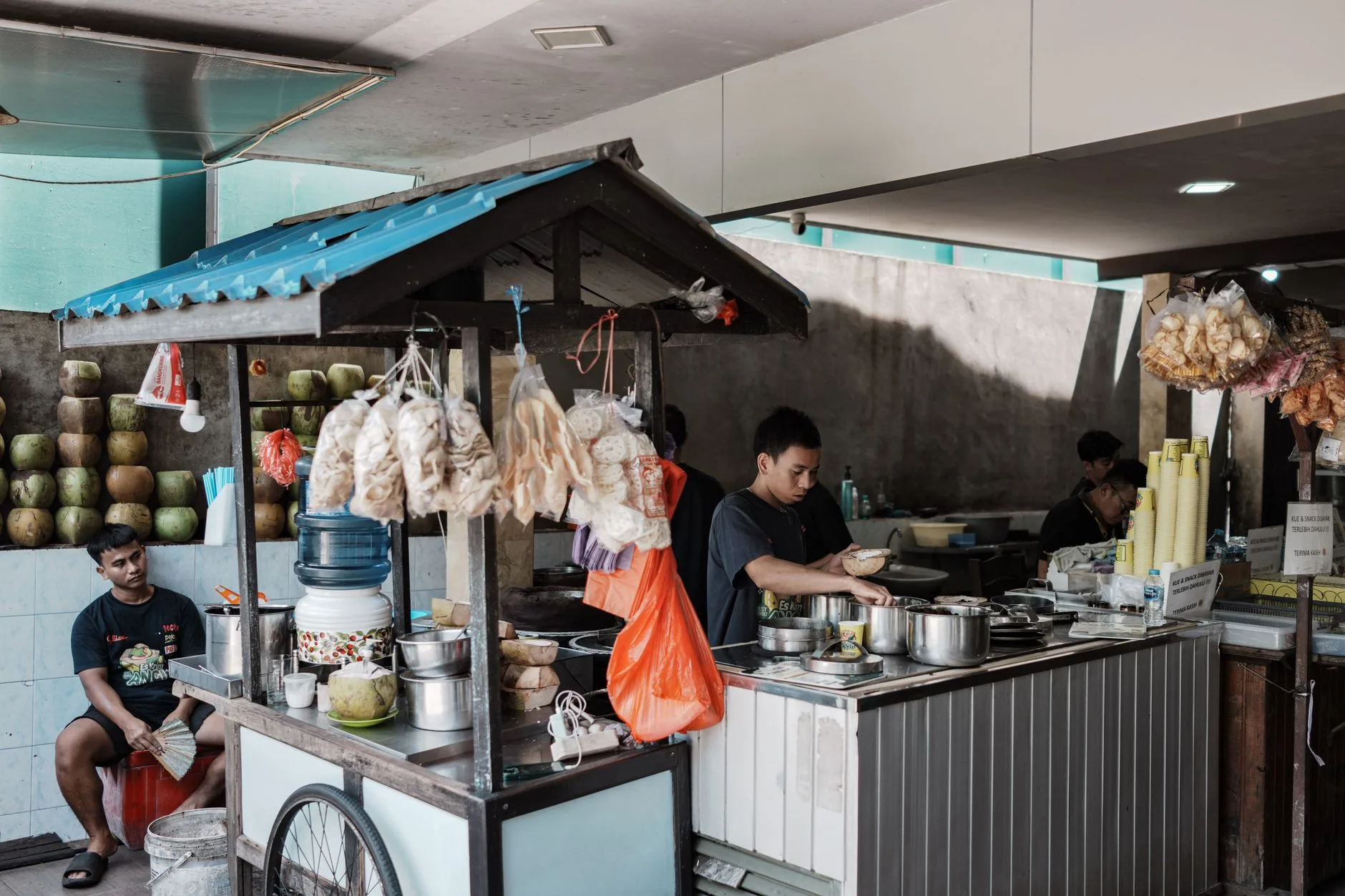
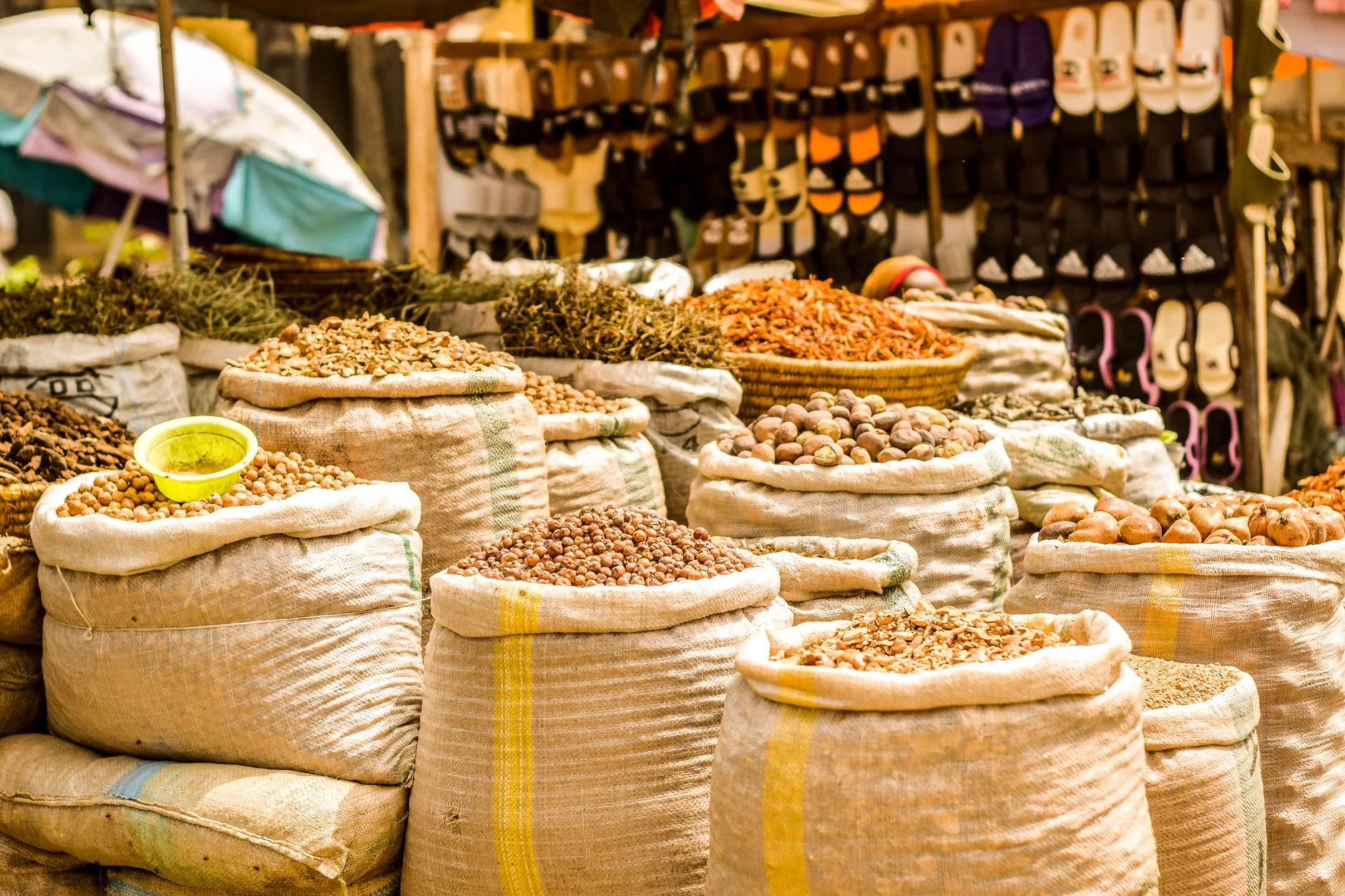
The halal certification obligation applies to products in the mandatory category. For micro and small businesses, this obligation meets with typical limitations: limited resources, disorganized documents, and a supply chain not entirely in their hands.
This article discusses the two issues that most often arise for MSEs: tracing critical points of ingredients and readiness of the halal product assurance system.
Halal Obligation and the Pathway for MSEs
Law Number 33 of 2014 on Halal Product Assurance is the basis for the halal certification obligation. This law governs the establishment of BPJPH (Halal Product Assurance Agency), the role of LPH (Halal Inspection Agency), and the authority of MUI (Indonesian Ulema Council) in determining the halal status of products.
Law Number 6 of 2023 amended Law 33/2014. This amendment simplifies the certification process and introduces a halal declaration or self-declare scheme for MSEs. This pathway opens the possibility for micro and small businesses to handle certification with a lighter burden.
The limits of its role must be understood. The determination of halal status of products is the authority of the MUI Fatwa Commission or the Halal Product Fatwa Committee. Halal certificates are only issued by BPJPH. The self-declare pathway does not change this division of roles; it only simplifies the submission process for businesses that meet the requirements.
Critical Points of Ingredients: Issues That Are Not Always Visible
Many MSEs assume their ingredients are simple because their products are simple. This assumption is often wrong. Halal critical points often hide in auxiliary ingredients that are not visible in the final product.
Some examples relevant to food MSEs:
- Animal fat and shortening. Solid fat from animals is used for frying and baking. Lard from pigs is absolutely haram. Alternatives are palm oil, coconut oil, vegetable margarine, or shortening from halal-certified beef fat.
- Pepsin. A protein-digesting enzyme from pig or cattle stomachs, used in the cheese and pharmaceutical industries. Alternatives are pepsin from halal-certified cattle stomachs or microbial protease enzymes.
- Whey and caseinate. These milk derivatives are themselves halal, but the cheese-making process at their source may use animal rennet. What needs to be ensured is a producer that states the use of microbial rennet or halal-certified animal rennet.
- Stearic acid and magnesium stearate (E470, E572). Anti-caking agents in tablets and powders, can come from palm oil or animal fat. Alternatives are halal-certified vegetable versions, generally from palm oil.
These ingredients appear in cookies, pastry, donuts, instant noodles, packaged fried products, processed cheese, formula powdered milk, protein drinks, bakery products, instant drink powder, medicine and supplement tablets, and even solid powder cosmetics.
Why MSEs Are More Vulnerable at This Point
The problem is not merely the type of ingredient, but the ability to trace its origin. MSE producers often buy ingredients through intermediaries, without clear documents. When asked to prove the origin of ingredients, they have nothing to show.
Ingredients whose status depends on the source require evidence, not assumptions. Without documents from suppliers, such ingredients remain a question in the certification process.
System Burden: Documents That Were Never Prepared
The second issue is administrative. Halal certification requires a functioning halal product assurance system, not merely a product that appears clean.
For MSEs, this often means having to compile things that never existed before: a written halal policy, a tidy ingredient list, production flow records, and evidence that procedures are carried out consistently.
If MSEs use the services of an LPH, the quality of inspection refers to SNI ISO/IEC 17065:2012. This standard governs impartiality, confidentiality, personnel competence, complaint and appeal management, and accountability of certification bodies. This means inspections are carried out with measurable procedures, and MSEs need to prepare for that.
Decree of the Head of BPJPH Number 243 of 2025 on Service Standards at BPJPH stipulates 27 types of BPJPH services complete with requirements, timeframes, and tariffs. These services include LPH accreditation, registration of LP3H and PPH Facilitators, issuance of halal certificates, and facilitation codes. This decree revokes Kepka 120/2022.
For MSEs, this list of services is important because it shows that each stage has formal requirements. Incomplete submissions will stop at the initial stage.
Practical Steps That Can Be Started Now
There are two things MSEs can work on without waiting for the deadline:
- Tidy up the ingredient list. Record every ingredient, including auxiliary and additive ingredients. For ingredients whose status depends on the source, collect documents from suppliers.
- Build a documentation habit. Keep purchase records, production flows, and ingredient separation. This habit will later become the basis of the halal product assurance system.
These two steps do not complete the entire process, but both determine whether the submission can proceed smoothly or get stuck.
For MSEs that want to organize these two things from the start, the SJPH platform from IndoHalal.id helps manage the criteria of the halal product assurance system in one application, from halal policy, ingredient registry, critical points, to internal audit.