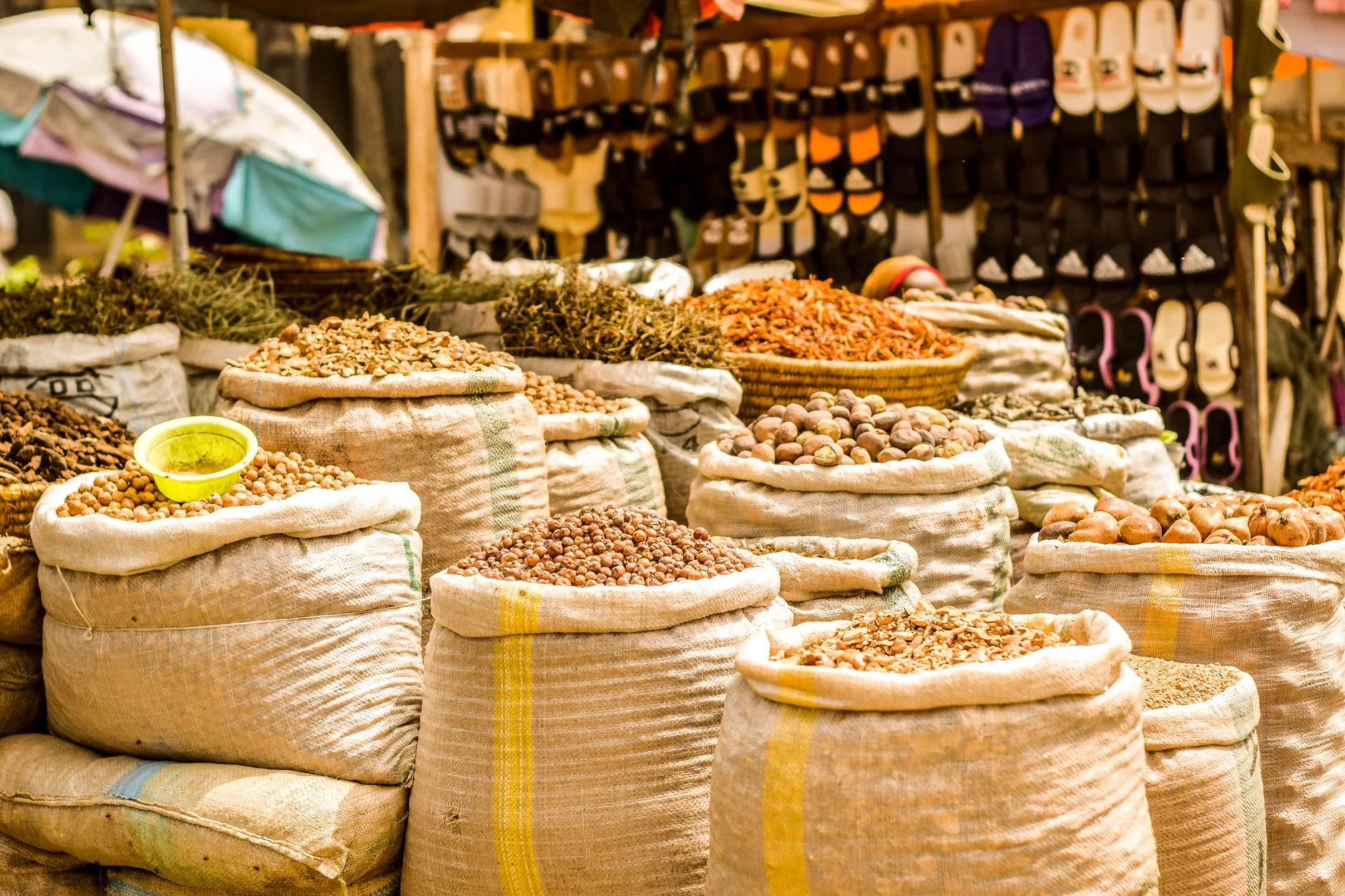
The issue of halal certification for MSMEs is not always about cost or paperwork. Often the root is deeper: business actors do not have clear records of the origin of the ingredients they use. A product may have been running for years, but the ingredient purchase documents are incomplete. This is the problem of ingredient traceability.
What is meant by ingredient traceability
Ingredient traceability means the ability to show where an ingredient comes from, who its supplier is, and whether that ingredient has a halal certificate. In the context of halal certification, traceability is the basis for assessing whether an ingredient is classified as halal, haram, or needs further tracing.
Law 33/2014 on Halal Product Assurance regulates the obligation of halal certification and the role of the Halal Inspection Agency (LPH). Law 6/2023, which enacted the Job Creation Perppu into law, simplifies the certification process, including introducing a halal statement scheme (self-declare) for MSMEs. However, this simplification does not remove the need to know the origin of ingredients.
Why MSMEs are more vulnerable
Large industries generally have a purchasing department that records every ingredient, keeps specifications, and requests halal certificates from suppliers. MSMEs often buy ingredients verbally, from markets, or from retailers without documents. When they have to fill out a halal certification form, that information is not available.
Several things make this problem distinctive to MSMEs:
- Suppliers change without record-keeping.
- Ingredients are bought in packaging without clear labels.
- There is no separation of records between raw materials and additional ingredients.
- The business owner doubles as every function, so administration is easily overlooked.
As a result, when asked to explain the origin of ingredients, MSMEs cannot provide a verifiable answer.
Examples of ingredients that require tracing
Some ingredients cannot have their status determined from their name alone. These ingredients require tracing back to their source.
Glycerin or glycerol (E422)
Glycerin is a versatile humectant that can come from palm oil (halal) or pork fat. This ingredient is used in toothpaste, syrup medicine, cosmetics, candy, moist cakes, and food preservatives. Without supplier information, its status cannot be determined. The alternative is halal-certified plant-based glycerin, generally from palm oil or coconut.
Pepsin
Pepsin is a protein-digesting enzyme from the stomach of pigs or cattle, used in the cheese and pharmaceutical industries. Its status depends on the source. Halal alternatives are available, namely pepsin from halal-certified cattle stomach or microbial protease enzymes.
Vanilla extract
Vanilla extract is a natural vanilla flavoring whose industry standard uses ethanol as an extraction solvent. This ingredient is used in cakes, pudding, ice cream, and premium coffee or chocolate drinks. The alternatives are vanilla powder, synthetic vanillin, or vanilla extract with water or glycerin solvent that is halal-certified.
Alcohol-solvent propolis
Propolis comes from bees and its source is halal, but its extraction process generally uses high-concentration ethanol. This ingredient is used in immune supplements, herbal mouthwash, and traditional wound care products. The alternatives are water-based or glycerin-based propolis extract or alcohol-free propolis powder.
The four examples above show one pattern: the name of the ingredient is not enough. What determines it is the source and the process. Therefore, ingredient traceability is key.
Practical steps to fix traceability
MSMEs can start with simple things without having to wait for a complicated system.
- Make a list of all ingredients used, including additional ingredients and flavorings.
- For each ingredient, record the supplier's name and the purchase date.
- Request a copy of the ingredient's halal certificate from the supplier if available.
- For ingredients that do not have a certificate, record the questions that need to be asked to the supplier: whether they come from animals or plants, and what process they go through.
- Keep the ingredient packaging labels as supporting evidence.
These steps do not require large costs. What is needed is the habit of recording and the courage to ask suppliers. In the long term, these records also help when there is a change of supplier or a change in product formula.
Limits that need to be understood
Ingredient traceability is a supporting tool, not a determinant of halal status. The determination of halalness is the authority of the MUI Fatwa Commission or the Halal Product Fatwa Committee. Halal certificates are only issued by BPJPH. Business actors prepare evidence and systems; determination and issuance lie with the authorized institutions.
By understanding these limits, MSMEs can focus their energy on what they can actually control: recording, tracing, and keeping evidence. The rest follows the applicable process.
IndoHalal.id provides an SJPH platform that helps organize ingredient registries and critical points in one application, so that ingredient traceability can be built from the start.